June 16, 2026
By Hamza Abdelquader | June 16, 2026
Maintaining a practical balance between aesthetic design and project spending is a fundamental necessity for protecting your household finances during a property remodel. Homeowners frequently review their construction plans to locate alternative material sources that lower upfront costs without sacrificing structural strength. Exploring updated local liquidators and freight closeout channels is an exceptional way to track down surplus building supply materials, bulk hardware packs, and premium fixtures at a fraction of standard retail pricing.
When your materials are sourced carefully from excess inventories, your property gains beautiful, high-quality finishes while your expenses remain highly manageable. This article examines the most effective sourcing strategies for tracking down overstock items, helping you make smart purchasing decisions that protect your real estate equity.
Sourcing Character-Rich Materials and Finishes
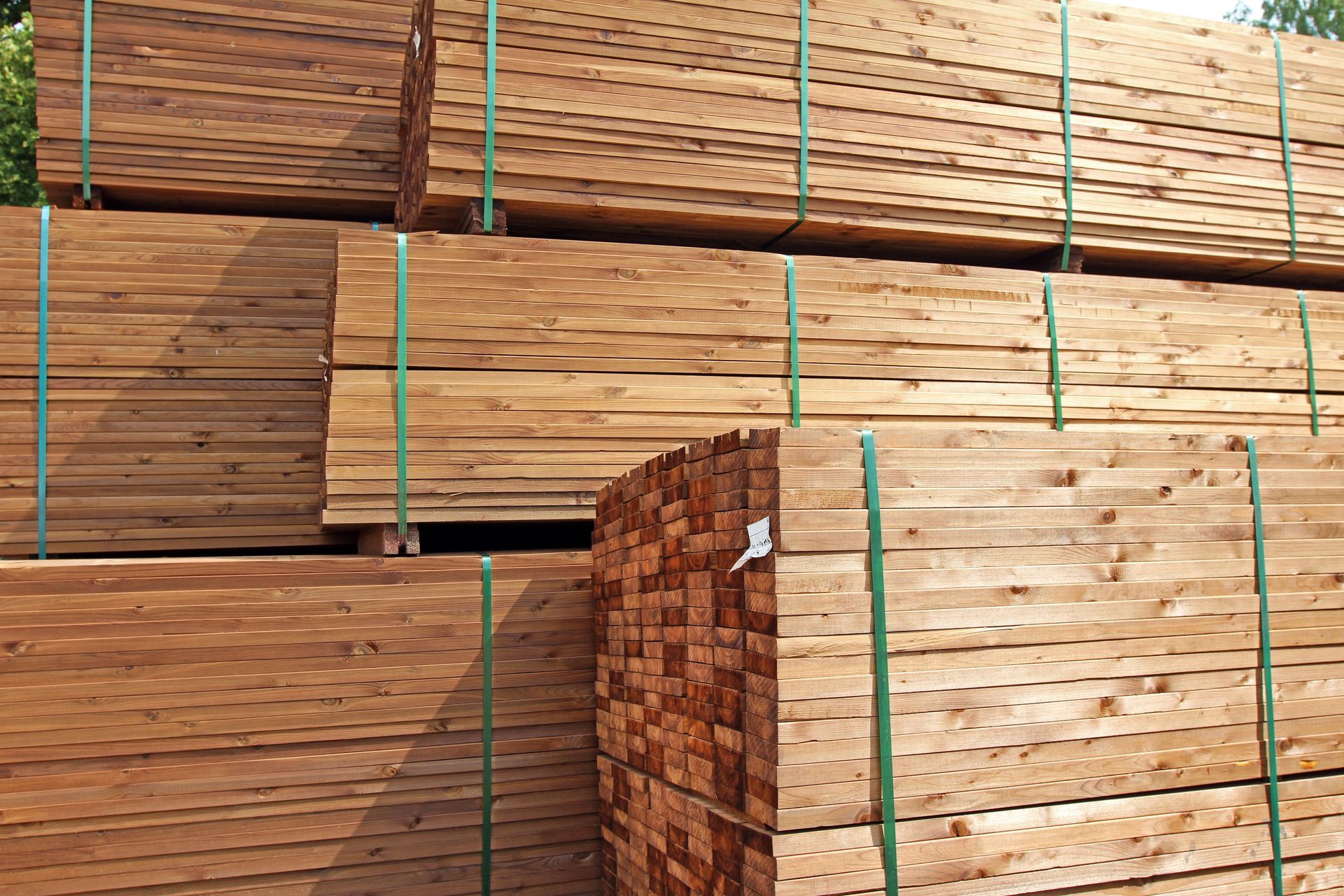
Utilizing reclaimed timber is an excellent way to introduce warmth, texture, and historic charm into a modern residential layout. Solid wood planks removed from old barns, vintage textile mills, and industrial warehouses feature deep grain patterns and an authentic aged patina that new lumber cannot match. Reusing these heavy timber pieces is an environmentally responsible choice that keeps high-quality wood out of local landfills.
Locating consistent batches of vintage wood requires checking out regional salvage yards, architectural recycling depots, and freight closeout warehouses. Many contracting teams also monitor large-scale distribution clearings to secure commercial-grade lots at deep discounts. According to asset tracking metrics from Gitnux, auction-based liquidation platforms hold approximately 30% market share, indicating strong demand for competitive bulk purchasing environments. Bidding through these liquidation channels allows property owners to secure large volumes of structural wood for accent walls or custom shelving.
Locating Vintage Salvaged Fixtures
Tracking down vintage plumbing hardware, heavy cast-iron sinks, and solid brass door handles allows you to inject unique visual character into a standard kitchen or bathroom remodel. Older fixtures often feature heavy-duty metal compositions and detailed artistry that modern mass-produced options rarely include. Reclaiming these durable historical pieces reduces manufacturing demand while giving your interior design a distinct, custom identity.
Restoring old brass or porcelain requires minor cleanup, but the financial savings compared to buying premium reproduction hardware are substantial. Property owners should inspect salvage finds carefully to verify that valve threads and structural seams remain intact before final installation. Integrating these solid, historical items into a contemporary layout delivers lasting mechanical utility and clear vintage appeal.
Finding High-Quality Discounted Surfaces
Securing affordable flooring is a major milestone for any budget-conscious property renovation. Local surplus warehouses frequently stock a wide variety of closeout laminate planks, engineered hardwood, resilient luxury vinyl, and durable ceramic tiles. These modern materials replicate the appearance of expensive natural stone or premium walnut boards while providing excellent scratch resistance for busy family spaces.
Purchasing overstock flooring lines requires calculating your total room square footage precisely and adding an extra cushion for installation cuts. Because clearance items consist of discontinued factory runs, sourcing matching boxes down the road is nearly impossible. Storing a few extra planks in your garage protects your investment if a future plumbing leak requires localized floor repairs.
Designing With Overstock Ceramic Tiles
Utilizing clearance tiles from a surplus building supply warehouse allows you to create elegant kitchen backsplashes, custom shower stalls, and durable entryway floors without overspending. Wholesale suppliers regularly mark down premium porcelain and natural stone tiles simply because a factory production run yielded minor color variations or a specific style line was phased out.
Property owners can combine contrasting tile sizes or coordinate distinct overstock colors to build custom mosaic borders and eye-catching accent patterns. Choosing a high-quality grout color that matches your layout enhances the overall visual cohesion, giving your budget-friendly project a polished, high-end appearance.
Maximizing Value With Alternative Buying Methods
The rising popularity of ready-to-assemble cabinetry kits and pre-cut shelving systems has changed how homeowners handle interior carpentry tasks. Modern flat-pack structural kits include pre-measured hardwood panels, pre-drilled hinge holes, and complete assembly hardware packages. This systematic preparation allows motivated property owners to achieve straight, clean cabinet lines without hiring expensive trim carpenters.
Evaluating these cabinet packages involves checking the material composition of the underlying box frames. Savvy renovators look for solid plywood cores rather than cheap particleboard to ensure the hinges stay secure over years of daily use. Taking the time to build your own kitchen boxes eliminates steep professional labor fees, keeping your home improvement project affordable.
Buying Direct-From-Factory Overstock Lots
Bypassing traditional retail showrooms and purchasing your remodeling materials directly from distribution warehouses is a smart way to minimize your total building supply expenses. Retail stores mark up their inventory substantially to cover expensive commercial rents, elaborate display lighting, and floor sales commissions. Buying from factory liquidation clearings allows you to access raw construction materials, stone countertops, and major appliances at near-wholesale prices.
Sourcing your inventory through direct liquidators requires managing your own project logistics and inspecting shipments carefully upon arrival. Property owners must coordinate their own transport or arrange for curbside freight delivery at the job site. Overcoming these minor coordination hurdles grants you direct access to professional-grade building supply goods, allowing you to optimize your renovation budget.
Tracking Construction Closeouts and Overstock Clearances
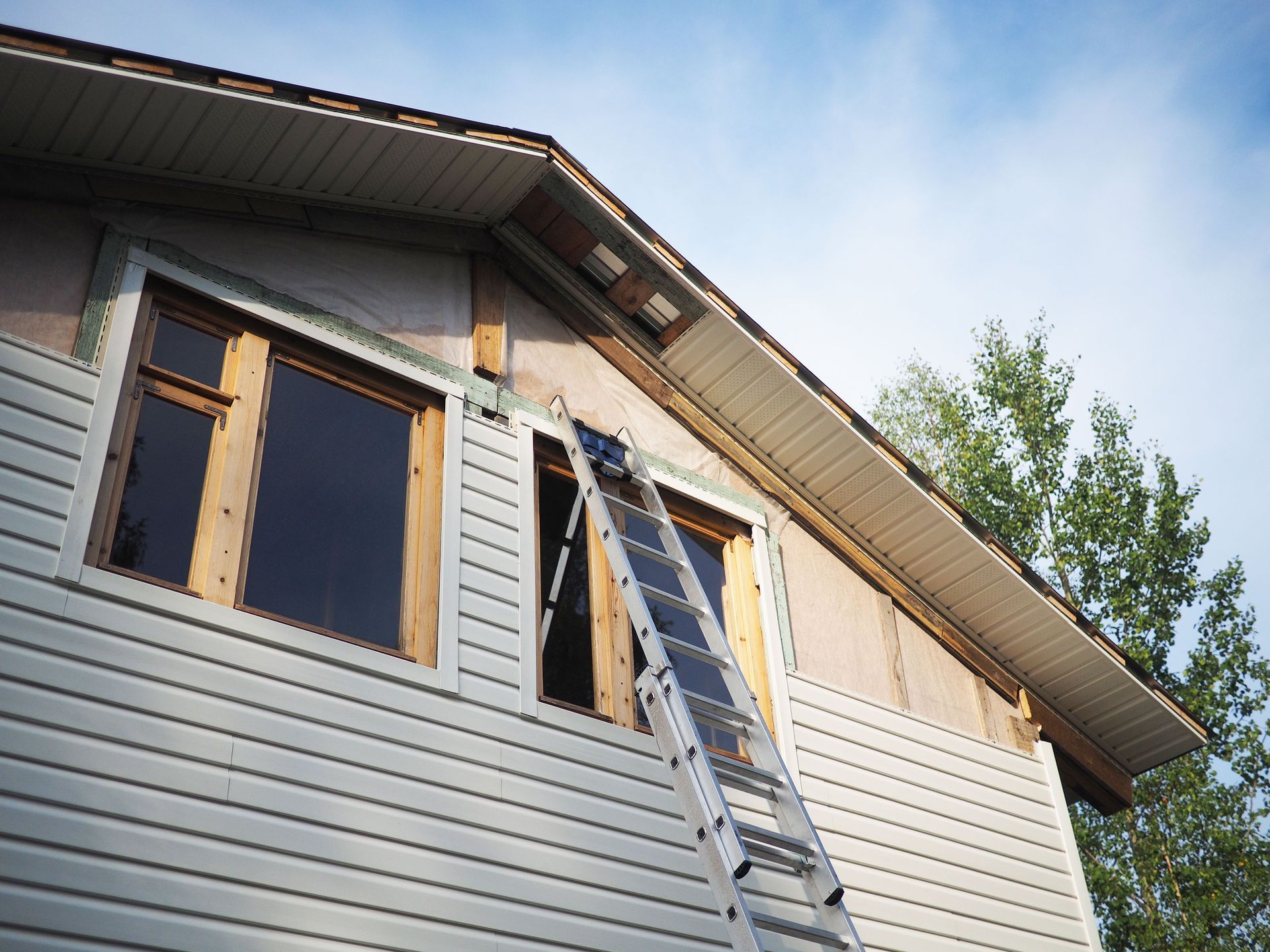
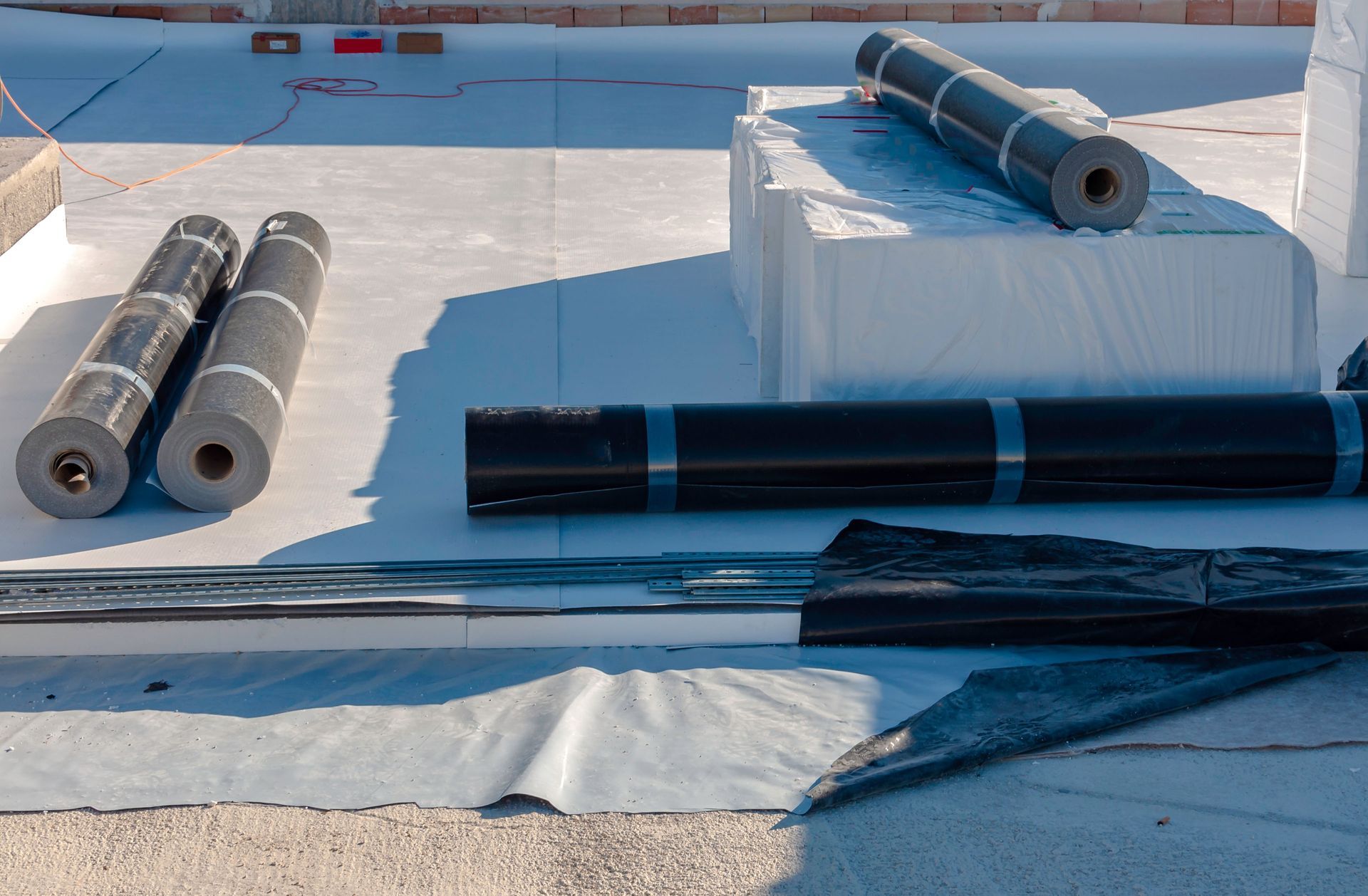
Freight liquidation networks serve as an invaluable resource for securing bulk building supply items like drywall sheets, metal framing studs, insulation rolls, and exterior siding. When a commercial shipping order is cancelled or a regional supplier handles an overstock correction, these unused structural goods are routed straight to liquidation centers. Buying these foundational items below standard retail cost stretches your renovation dollars significantly.
Securing these foundational building supply loads requires monitoring local liquidation arrivals frequently, as bulk construction bundles sell out quickly to area contractors. Staying flexible with your brand choices allows you to take advantage of unexpected closeout deals, ensuring your framing and insulation tasks are fully completed well under budget.
Inspecting Excess Cabinet and Vanity Inventories
Upgrading bathroom vanities and kitchen storage layouts can quickly drain a renovation budget if you buy exclusively from high-end retail catalogs. Closeout warehouses often feature solid wood vanities, stone countertops with pre-cut sink holes, and modular pantry units that corporate builders over-ordered for major subdivision projects.
Purchasing these surplus builder packages provides your home with premium, stone-topped storage systems at a fraction of custom cabinet prices. This straightforward strategy allows you to allocate your remaining funds toward advanced home automation systems or premium kitchen appliances.
Planning Long-Term Structural Integrity
When reviewing various closeout inventories, you must examine the physical dimensions and structural properties of the materials before purchasing. Thin vinyl sheets or light-gauge steel tracking can deform prematurely under intense stress, causing alignment issues along your walls or subfloors. Choosing thicker wear layers and rigid framing structures shields your home from early sagging and superficial warping.
Verifying Storage Climate Contexts
Moisture levels inside a warehouse can alter the cellular structure of unsealed timbers and composite panels before they ever reach your project site. Prioritizing liquidators who store their surplus stock in climate-controlled spaces prevents you from buying swollen drywall or warped trim boards. Ensuring your supply stock stays completely dry guarantees a level installation when your crew attaches the panels to the framing studs.
Investing in high-quality overstock materials is an exceptional way for property owners to upgrade their home's daily utility, protect their real estate value, and build an attractive, custom environment. Relying on professional liquidation channels ensures that your foundational lumber, hard-wearing flooring, and kitchen storage units are acquired at near-wholesale prices. Organizing your material purchasing habits early guards against sudden budget overruns, eliminates retail middleman markups, and transforms your home into a beautiful, functional asset.
When your property requires assistance to evaluate material inventories or address purchasing concerns, choosing an established team ensures lasting results. Contact Rex Liquidation to manage your upcoming infrastructure upgrades. Investing in high-grade surplus building supply assets stabilizes your home improvement timelines, providing your family with a beautiful, dependable, and durable environment that elevates your living space.