February 11, 2026
By Hamza Abdelquader | February 11, 2026
Beginning a construction or remodeling project involves more than sketches, budgets, and timelines. One of the most important decisions homeowners, contractors, and property investors make is selecting the right source for materials. The quality, reliability, and availability of lumber, concrete, roofing, fasteners, and specialty products directly influence project efficiency and final results. For this reason, choosing among local building material suppliers is not simply a logistical decision — it is a strategic one that can shape the entire project experience from start to finish. Understanding what to evaluate, which questions to ask, and how to compare options empowers project planners to make confident, informed choices.
This discussion explains the main considerations for selecting suppliers, highlights factors that affect long-term outcomes, and offers practical guidance on aligning suppliers with individual goals. Whether the project is a small residential upgrade or a larger commercial build, the selection process remains a crucial component of successful planning.
Evaluating Material Quality and Product Selection
The first and most essential factor to evaluate is material quality. Even the most carefully designed construction project will underperform when built with inferior supplies. Durability, manufacturer reputation, and product certifications are all indicators that help consumers assess whether suppliers consistently stock dependable materials. When comparing local building material suppliers, asking about sourcing practices is helpful. For example, do they partner with reputable manufacturers, maintain traceability on structural materials, or provide documentation on performance standards?
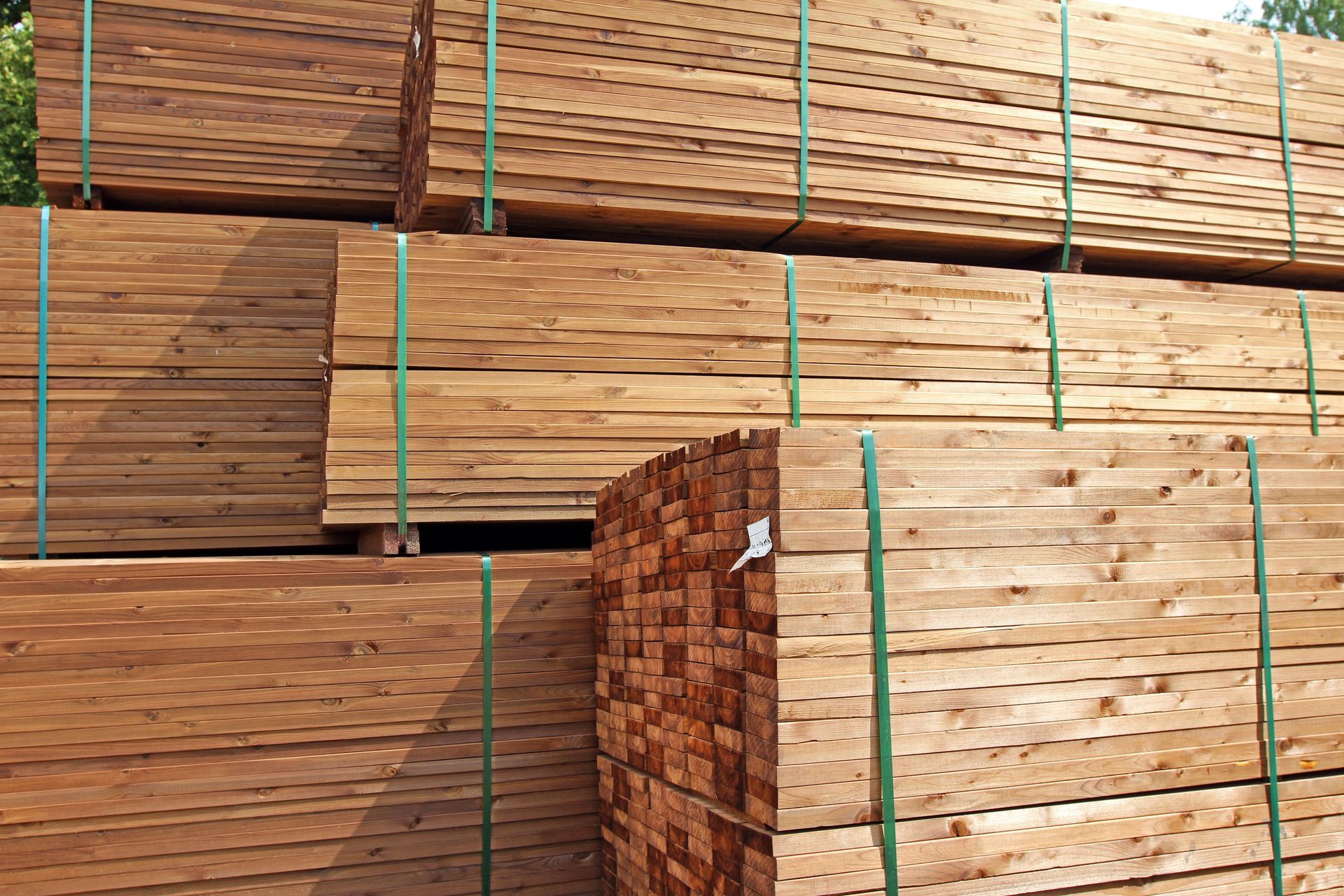
Product selection also matters. Projects often require combinations of core construction materials and specialty components. Suppliers who carry a broad range of categories — framing lumber, masonry, roofing, insulation, hardware, and finishing products — reduce the need for multiple vendors and help maintain consistency across the project. In addition, having access to both premium and budget-friendly options allows property owners to make tradeoffs without sacrificing safety or code compliance.
Finally, reliable suppliers do more than simply stock products. They understand local building codes, environmental conditions, and climate patterns that affect material performance. The more knowledgeable local building material suppliers are about how products function in real environments, the easier it becomes for customers to choose wisely.
Comparing Pricing Structures and Overall Value
Price is always an important part of project planning, but focusing exclusively on the lowest cost can lead to hidden expenses later. Instead of comparing sticker prices alone, it is useful to evaluate total value. Competitive local building material suppliers often provide volume discounts, loyalty programs, or contractor pricing tiers that help stretch budgets further. Asking whether quotes include delivery fees, cutting or loading services, and restocking policies allows customers to see a clearer financial picture.
Another component of value involves consistency. Materials purchased over time should remain similar in grade and appearance. When suppliers manage inventory poorly, customers may need to replace mismatched materials or wait for backorders, which can increase labor expenses. Some companies allow project planners to set aside or pre-order materials in advance, reducing the risk of supply interruptions.
Over time, relationships also generate financial advantages. Long-term customers may receive faster service, more favorable terms, and early access to new product offerings. Building trust with local building material suppliers helps stabilize costs and creates an ongoing resource for future projects.
Assessing Delivery Capabilities and Project Support
Construction schedules often operate on tight timelines. A delay in one component can cause chain reactions across the rest of the project. For this reason, delivery reliability becomes a crucial selection factor. Many local building material suppliers provide coordinated delivery windows, job-site drop-off, and equipment capable of handling heavy or oversized loads. Understanding what types of deliveries are available — same-day, scheduled, or emergency — helps planners choose suppliers that match their pace.
Beyond delivery, project support can make a significant difference. Knowledgeable sales staff, in-house specialists, or on-call advisors can interpret blueprints, assist with material takeoffs, and recommend alternatives when supply shortages occur. When suppliers provide clear communication and problem-solving assistance, customers feel more confident managing complex details.
Industry data highlights how expansive the materials marketplace has become. According to IBISWorld, there are approximately 2,336 businesses operating in the U.S. roofing, siding, and insulation wholesaling industry. With so many potential resources available, project planners benefit from prioritizing suppliers who combine strong logistics with experienced guidance. Strong support services reduce stress, limit errors, and create smoother coordination between contractors, architects, and property owners. In practice, this means selecting local building material suppliers who function as partners rather than merely vendors.
Reviewing Reputation, Reliability, and Customer Experience
Reputation offers one of the clearest signals regarding supplier dependability. Reviews, testimonials, and referrals from contractors can reveal patterns such as timely deliveries, honest communication, and consistent product quality. When multiple project managers recommend the same local building material suppliers, it often reflects sustained reliability rather than occasional good performance.
It is also worthwhile to consider how suppliers handle challenges. Backorders, manufacturer defects, or transportation delays can occur even with careful planning. Reputable companies communicate openly, explain solutions, and take responsibility for corrections when necessary. Observing how a supplier responds to small issues provides insight into how they might behave during larger complications.
Customer service culture matters as well. Friendly, solution-oriented staff foster collaborative relationships that make problem-solving easier. Whether resolving billing questions or searching for alternative materials, supportive service environments reduce project friction. Over multiple projects, that level of reliability becomes invaluable.
Ensuring Sustainability, Compliance, and Ethical Sourcing
Modern construction projects increasingly incorporate environmental responsibility and regulatory compliance into their planning. Many property owners seek energy-efficient materials, recycled content, or sustainably harvested lumber. Suppliers who openly discuss sourcing practices and provide documentation offer reassurance that materials meet expectations not only in performance but also in environmental stewardship.
Compliance is equally significant. Building codes exist to protect safety and structural integrity. Local building material suppliers who stay up to date on regulations can guide customers toward compliant products and alert them to specification issues before installation occurs. Some even collaborate with inspectors or design professionals to verify details when needed.
Ethical sourcing also builds consumer confidence. Transparency regarding labor standards, manufacturing conditions, and supply chains demonstrates integrity. When construction projects reflect responsible choices, they support both community standards and long-term environmental well-being.
Aligning Suppliers With Project Scale and Long-Term Goals
Not every supplier is suited for every project. Smaller operations may excel at personalized service and niche materials, while larger distributors may provide broader inventory and rapid fulfillment. Aligning project scope with supplier capacity ensures that expectations match actual capabilities.
When planning major builds or phased renovations, choosing local building material suppliers capable of supporting ongoing needs can streamline future work. Establishing accounts, maintaining records of previously used materials, and creating standardized purchasing processes help ensure consistency across multiple projects. At the same time, even smaller residential projects benefit from thoughtful supplier selection. Homeowners who choose supportive, knowledgeable suppliers often feel more comfortable tackling upgrades because they know expertise is readily available. Over time, these relationships evolve into dependable resources for maintenance, repairs, and new improvements.
Ultimately, the goal is not simply to find materials but to build a network. Reliable local building material suppliers contribute to efficient timelines, safer structures, and higher-quality results. Decisions grounded in research and careful comparison make projects smoother and more predictable.
By approaching the selection process thoughtfully and strategically, property owners and contractors position themselves for smoother builds, stronger structures, and fewer disruptions. With careful planning and informed decision-making, choosing among local building material suppliers becomes an opportunity to set projects up for success from the beginning. Call Rex Liquidation today to discuss materials needed for your next project.